Procurement
What quality looks like in RCN
Five checks that help buyers understand what is inside the shell—and a worked example of drying economics.
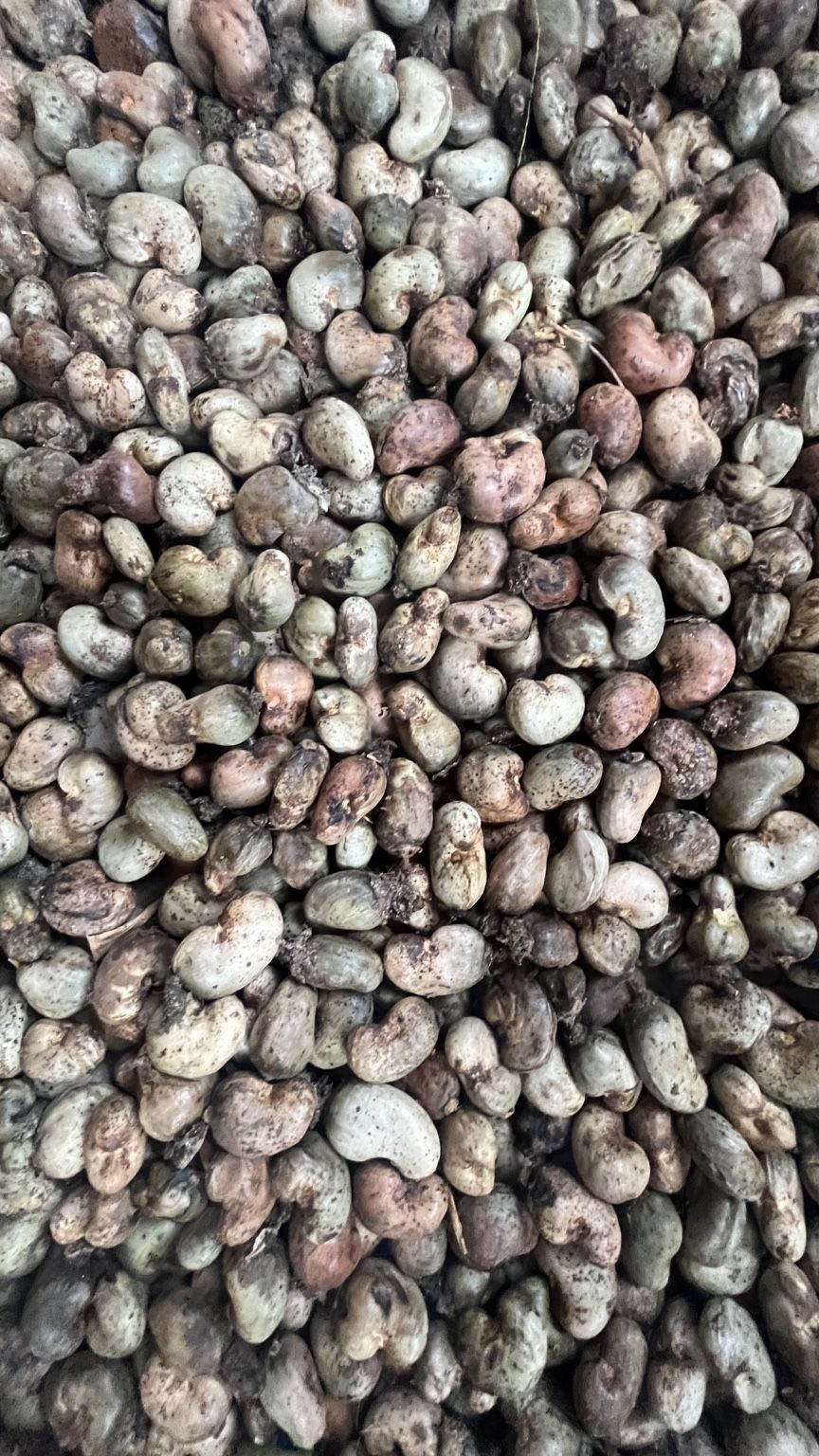
Two bags of raw cashew nuts can look similar and carry the same asking price, yet offer very different value to a processor. The commercial question is how much acceptable product the buyer can recover, at what total cost.
Read the quality measures together
RCN means raw cashew nuts in shell. A useful assessment combines several measures; an impressive result on one does not settle the buying decision.
| Check | What it tells the buyer |
|---|---|
| Kernel outturn (KOR) | Estimated usable kernel recovery, commonly expressed as pounds per 80 kg of RCN. |
| Nut count | Number of in-shell nuts per kilogram; a lower count indicates larger nuts, not necessarily better kernels. |
| Moisture | Whether the lot meets the agreed condition for acceptance and storage. |
| Defects | Evidence of immature, damaged, spotted or rotten kernels in the cut sample. |
| Foreign matter | Material that adds weight without adding saleable cashew. |
Reference: IRD / African Cashew Alliance: Cashew Business Basics, pp. 11–13
Make the sample represent the lot
Agree the sampling method before the commercial argument starts. Draw from different bags and positions, identify the lot and retain the results. A convenient handful selected by the seller is weak evidence for a large purchase.
Record who tested the sample, when it was taken and what method was used. Where the transaction requires it, agree independent inspection and how a difference between results will be resolved. Photographs help document the process; they do not replace the sample.
Calculate what drying does to buying cost
Illustration only: suppose 1,000 kg is bought for ₦1,800/kg, costing ₦1,800,000. After drying and sorting, assume the measured saleable weight is 900 kg. The material cost becomes ₦1,800,000 ÷ 900 = ₦2,000 per saleable kilogram.
That is ₦200/kg above the purchase price before labour, bags, transport, storage or finance. The assumed 10% weight reduction is an example, not an expected loss rate or an AGM operating result. Measure the actual conversion for each lot.
Connect quality to the buyer’s price
A processor evaluates the value recoverable from a lot against processing and other costs. A trader must also account for the agreed destination, payment timing and the risk of deductions. This is why comparing two offers requires more than matching their headline prices.
Ask whether both prices refer to the same quality, weight basis, delivery point and payment terms. Then calculate the contribution after the costs needed to fulfil that particular sale. A price premium only helps when it exceeds the additional cost and risk.
Put acceptance terms in writing
Before dispatch, confirm the specification, test method, permitted tolerances and procedure for rejected or disputed goods. Keep the accepted lot separate from material that still needs work.
AGM’s published specifications are a starting point for a supply conversation. Final availability, quality and terms must be confirmed for the actual lot. Buyers can review the specifications page and share their own requirements before procurement begins.