Processing strategy
What African-owned cashew processors need beyond machinery
Working capital, procurement control, buyer access and operating evidence determine how effectively installed capacity becomes a durable business.
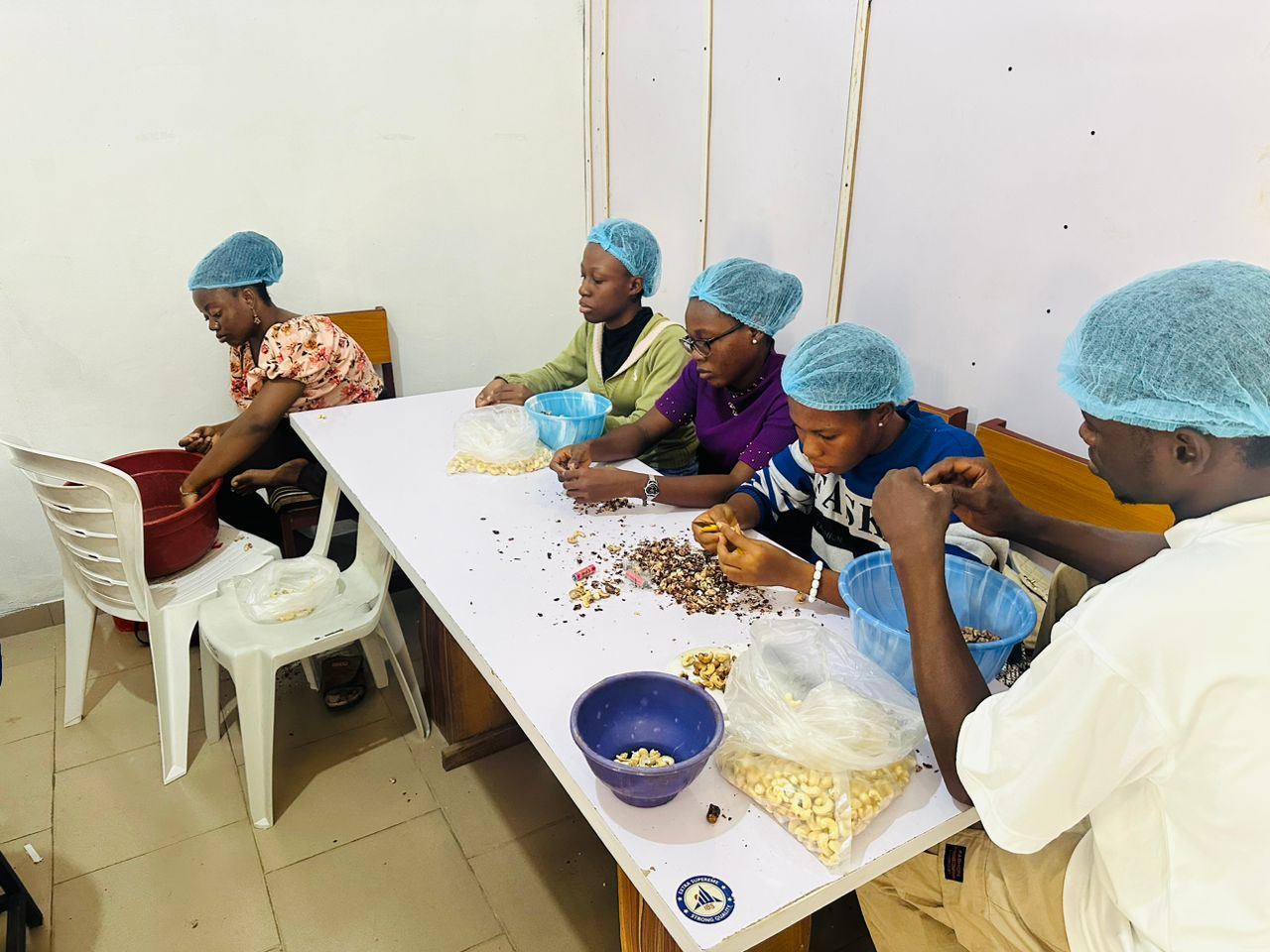
A factory opening is easy to photograph. The arrangements that keep it supplied, paid and selling are harder to see. For an African-owned cashew processor, those arrangements deserve as much attention as the equipment: they determine whether the business can run consistently and retain the value it creates.
Connect the factory to its market
CBI’s March 2026 market study describes a value chain in which African origins still export much of their cashew in shell to Vietnam and India. Being close to raw material offers a starting advantage. Capturing more processing value requires a competitive route from procurement to the customer.
For a locally owned operator, make that route explicit. Who buys each grade? What specifications and packaging do they need? Which orders are repeatable? How long after dispatch does payment arrive? These questions belong in the investment case before a larger machine is selected.
Reference: CBI: European market potential for cashew nuts — production and processing, March 2026
Fund the operating cycle
Equipment funding and operating funding solve different needs. Prepare a monthly cash schedule covering raw nuts, wages, energy, packaging, storage and customer payments. Check the highest funding requirement during the cycle, not only the annual profit projection.
CBI’s 2024 financing pilot with Oikocredit identified working-capital access and weak financial records as obstacles for West African processors. The practical response included forecasts, performance indicators and comparison of actual results with plans. Better records support the conversation with a financier; they do not guarantee approval.
Reference: CBI: New tool boosts SME financing in West African cashew sector, December 2024
Measure recovery and the whole sales mix
Track purchased RCN weight, saleable kernel output, whole-kernel share, the grade mix and realised prices. A forecast that prices every kilogram as a premium whole grade can conceal the economics of splits, butts and pieces.
Compare batches on net sales and attributable costs. Establish which losses arise during handling, shelling, peeling or grading before assuming that a larger machine will resolve them. Additional capacity should address an evidenced constraint.
Use a readiness test before expanding
A practical expansion review should be able to answer these questions with records:
- Supply: can the business obtain the required RCN quality and quantity at an affordable delivered cost?
- Operations: is the bottleneck measured, and will the proposed equipment relieve it?
- Sales: are there credible buyers for the expected mix of grades?
- Cash: is the funding gap covered through procurement, production and payment?
- Management: who owns quality, stock reconciliation, maintenance and customer follow-up?
Build commercial strength around ownership
Local ownership can create a route for entrepreneurs to participate in retained earnings and business decisions. Its durability depends on procurement discipline, financial visibility and customer relationships that survive a difficult season.
AGM’s approach to evaluating processing opportunities is to connect the factory plan with sourcing economics and buyer development. The test for additional capacity is whether it can convert available raw material into products customers will accept, at a cost and cash cycle the business can sustain.