Season outlook
El Niño and the 2027 cashew season: prepare for uncertainty
What the verified climate outlook tells us, what it cannot tell us about West African cashew, and how sourcing teams can prepare.
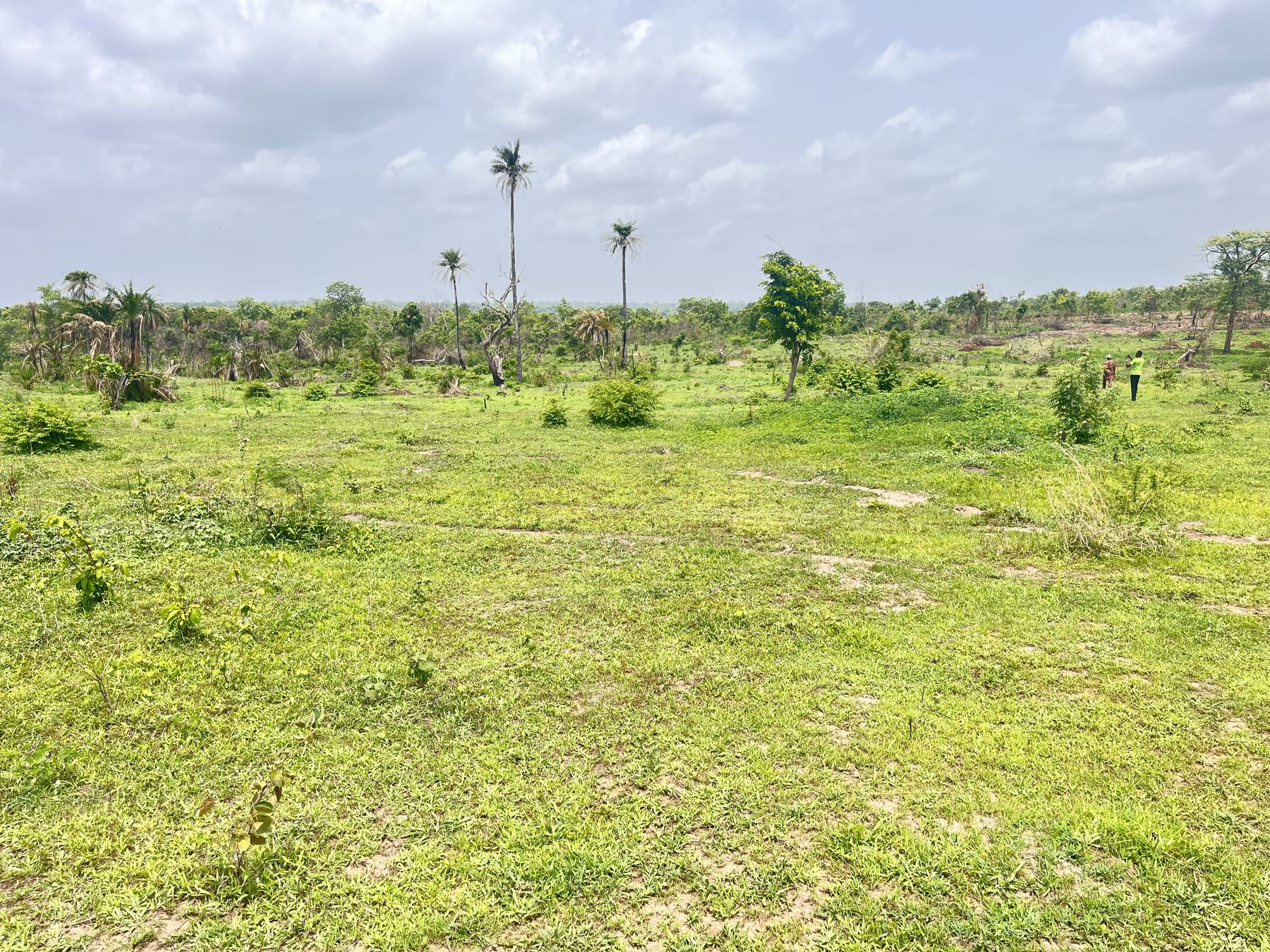
El Niño belongs on a cashew procurement watchlist. Turning it into a confident forecast of the 2027 crop or farmgate price would go further than the available evidence supports. Buyers need a way to translate an evolving climate signal into decisions about sourcing, inspection and commitments.
What has been verified
In its 8 October 2026 update, the World Meteorological Organization reported a strengthening El Niño, with a near-100% likelihood of persistence through February 2027 and a forecast peak in December 2026. WMO also identified the Indian Ocean Dipole and tropical Atlantic sea-surface temperatures as relevant seasonal climate drivers.
Those are dated climate forecasts. WMO explicitly says its large-scale seasonal signals do not replace national and local forecasts. They do not establish a specific yield loss, KOR change or price increase for the West African cashew belt.
Reference: WMO: Sea-surface temperatures reflect strengthening El Niño, 8 October 2026
Keep the crop calendar in view
CBI’s March 2026 cashew market study places West Africa’s harvest in the first half of the calendar year, while East African supply typically begins in September or October. This sequence makes late-year market and weather developments relevant to preparation for the next West African buying window.
The sequence does not mean conditions will be uniform across countries or districts. A procurement team needs observations tied to named locations and dates, alongside updated meteorological guidance.
Reference: CBI: European market potential for cashew nuts — production seasons, March 2026
Build a short, useful field watchlist
Ask sourcing contacts to report a consistent set of observations. Separate measured results, dated field observations and unverified market reports.
- Location and date: which community, orchard or collection area is being described?
- Crop progress: what flowering or fruit development is actually visible?
- Weather: what do local rainfall, temperature and weather-service updates show?
- First receipts: what do representative samples reveal about moisture, nut count, defects and outturn?
- Commercial response: are arrivals, buyer enquiries or delivery schedules changing?
Prepare operating responses, with clear triggers
If crop arrivals are delayed, revisit delivery commitments and the cost of keeping capital idle. If receipts require more drying, recalculate saleable weight, handling capacity and turnaround time. If observed quality varies between areas, keep lots identifiable and adjust buying instructions to the available evidence.
These are contingency actions, not predictions that those outcomes will occur. Set the trigger in advance: a failed sample, a revised local forecast, a missed arrival milestone or a changed buyer requirement.
Let evidence change the plan
For AGM, the useful preparation is a repeatable review linking field information, buyer requirements and procurement limits. Update it as reliable observations arrive.
Claims that harmattan or heat caused a particular season’s poor performance need location-specific weather and crop evidence. Until that connection is demonstrated, describe the observation and the hypothesis separately. A stronger season plan makes room for uncertainty and specifies how decisions will change when the evidence changes.