Operations
From aggregation to export readiness
How buyer requirements, lot records, procurement economics and dispatch planning turn collected volume into a deliverable order.
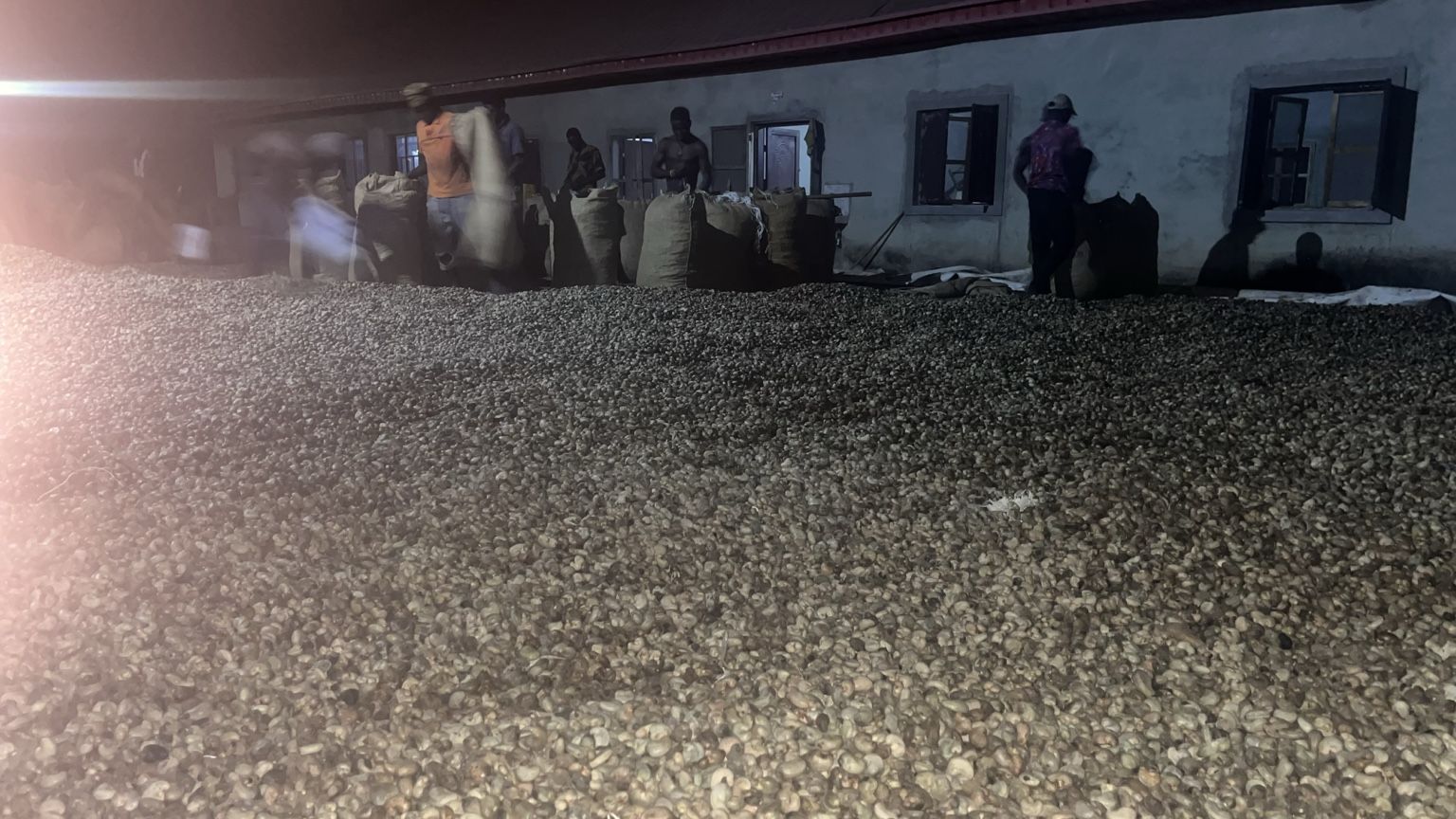
A yard full of cashew is inventory. Turning it into a dependable order requires a buyer, an agreed specification, workable economics and a clear route to delivery. This distinction has shaped our discussions about AGM’s preparation for the next procurement season.
Begin with a qualified requirement
Ask the buyer to specify product, quantity, quality, destination and delivery window. Establish who is purchasing, who will accept the goods and how payment will work. A conversation about interest is useful; it is not yet a purchase commitment.
Buyer development should lead procurement wherever possible. An offtake or supply agreement becomes useful when its obligations are clear: what will be supplied, how it will be assessed, when it is due and what each party must pay or provide. Volume alone does not explain the risk.
Work backwards to a buying ceiling
Start with the agreed selling value on a consistent weight and delivery basis. Deduct the costs of fulfilling the order and the contribution required to justify it. The amount left is the maximum affordable buying cost under those assumptions.
Include drying and sorting losses, collection, bags, handling, transport, storage, inspection, finance and applicable transaction charges. If the result cannot support the local market price, renegotiate the sale, change the operating plan or decline the purchase. Buying above the ceiling requires a new, supported calculation.
Recheck the ceiling when the buyer changes terms or the cost assumptions move. A buying instruction should state its validity period, responsible approver and the quality to which it applies.
Build lots that can be reconciled
Give each intake a reference and maintain a record when lots are combined. Link the source receipts, quality checks, stock movements and dispatch weights. Keep material requiring reconditioning separate until it has been accepted.
Reconcile opening stock plus receipts against dispatches, recorded losses and closing stock. Investigate differences while the bags and records are still accessible. This helps distinguish a drying loss from a weighing error or an unexplained shortage.
Plan dispatch before the truck arrives
Use an order checklist with named responsibilities and deadlines:
- Buyer acceptance: final specification, sample results and inspection arrangements.
- Stock: confirmed saleable quantity, packaging and lot identification.
- Delivery: loading date, route, destination contact and agreed delivery term.
- Documents: confirm the requirements for the product and destination with the relevant authorities and logistics partners.
- Payment: agreed milestones, required evidence and a procedure for resolving discrepancies.
Keep raw cashew and kernel requirements distinct
An RCN transaction and a finished-kernel export need different specifications and preparation. CBI’s European cashew guidance expressly covers kernels and addresses buyer expectations for quality, testing, packaging and certification. It should not be applied as an in-shell RCN specification.
For AGM, the operating priority is disciplined execution from local procurement to the buyer’s acceptance. Each completed order should produce a clearer view of cost, stock loss, delivery performance and the time taken to turn inventory back into cash.
Reference: CBI: Entering the European market for cashew nuts — kernel guidance